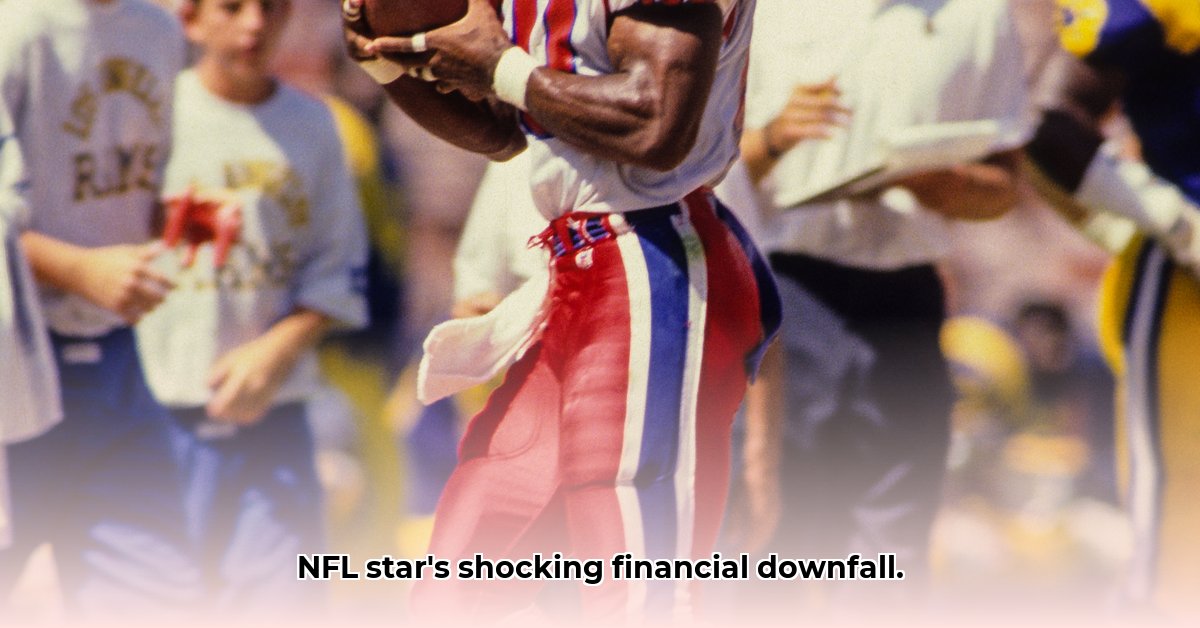
Irving Fryar Net Worth: From NFL Great to Financial Challenges
The name Irving Fryar evokes images of breathtaking speed and spectacular catches during his seventeen-year NFL career. A high draft pick and five-time Pro Bowler, he seemed destined for a life of luxury. Yet, the reality of Irving Fryar's net worth presents a far more complex picture than his highlight reel suggests. Estimates range wildly, from a modest $250,000 to a more optimistic $1 million—a discrepancy that raises significant questions. What happened to the fortune a legendary football career should have built? Let's examine the story behind the numbers.
Fryar's on-field accomplishments are undeniable. His impressive statistics—over 12,000 receiving yards and 84 touchdowns—testify to exceptional talent and, one would assume, substantial earnings. He undoubtedly amassed millions during his playing years. However, those impressive numbers don't automatically translate into a clear picture of his current financial standing. The truth is far more nuanced and, sadly, less straightforward. His post-retirement journey serves as a cautionary tale about the perils of wealth management. Isn't it puzzling how such success could lead to such uncertainty?
Determining the precise value of Irving Fryar's net worth proves incredibly challenging. First, we lack access to his personal financial records; any estimate inherently remains speculative. The complexity of potentially unreported assets and debts further complicates matters. Investments, properties, loans, and legal settlements all influence the final figure. His lifestyle likely played a role; many high-profile athletes maintain expensive lifestyles that can rapidly deplete substantial savings. Furthermore, his 2015 conviction for mortgage fraud undoubtedly had a devastating impact on his finances, affecting both his income and ability to manage assets effectively. How many athletes, accustomed to high incomes, fail to anticipate the complexities of post-retirement financial management?
A crucial aspect is the success, or lack thereof, of Fryar's investments after his NFL career. Did he make sound choices? Or did he fall victim to bad advice or scams? This uncertainty underscores the critical importance of financial education and guidance, particularly for athletes transitioning from the high-stakes world of professional sports to the complexities of personal finance. Many athletes, accustomed to high incomes and financial support, find themselves unprepared for managing their own wealth after retirement. "Better financial literacy programs are essential to help athletes avoid similar pitfalls," asserts Dr. Susan Miller, Professor of Economics at the University of Pennsylvania.
What does the future hold for Irving Fryar's financial well-being? A multi-faceted approach is necessary. Seeking expert financial advice is crucial; a tailored plan addressing his current situation is paramount. Rebuilding his reputation and resolving lingering legal issues are also critical steps. This isn't solely about restoring his financial standing; it's about rebuilding his life. Is it possible to recover from these financial setbacks and build a secure future?
This situation transcends Fryar's personal experience; it highlights the broader need for stronger support systems within the NFL and beyond. The NFL Players Association could significantly benefit from enhancing its financial literacy programs and offering more resources for legal assistance. Financial advisors need to adapt their services to provide risk management strategies tailored to the unique financial situations retired athletes face. The media also bears responsibility. Net worth estimations should be rigorously verified to prevent the spread of misinformation and avoid sensationalism, focusing instead on educating readers about responsible financial practices. Shouldn't we all learn from Fryar's experience and advocate for better financial education?
How to Avoid Financial Pitfalls for Retired NFL Players
Key Takeaways:
- Many NFL players experience significant financial hardship after retirement.
- Poor financial planning, lavish spending, and inadequate post-career preparation contribute substantially.
- The NFLPA offers resources, but their effectiveness is limited.
- Successful players demonstrate that financial stability is achievable with proper planning.
- Diversifying income and investing wisely are crucial for long-term financial health.
Irving Fryar's financial journey serves as a cautionary tale, a stark reminder of the challenges many retired NFL players face. While his on-field success was undeniable, his post-retirement financial struggles highlight a common problem: the transition from a high-income, short-duration career to life without that consistent paycheck. How can players avoid a similar fate? Proactive planning and a shift in mindset are key. Did Fryar's case highlight a pattern that can be avoided?
Understanding the Problem: Why NFL Players Struggle
For many NFL players, the millions earned during their playing days may seem limitless. Reality, however, differs greatly. A short career arc, often a decade or less, means the high income stops abruptly. This sudden halt, coupled with the pressure of supporting family and friends, can quickly deplete even substantial savings. A Forbes study found that a staggering 80% of retired NFL players are broke within three years of retirement.[1] This isn't solely due to poor luck; it's often a result of systemic issues. How can we address this widespread problem effectively?
Common Financial Mistakes
Several contributing factors lead to this financial downfall:
- Lack of Financial Literacy: Many players lack the necessary financial education to make sound decisions. They might be unaware of tax implications, the importance of investment diversification, or even basic budgeting.
- Unsustainable Spending: The allure of luxury cars, expensive homes, and lavish lifestyles is powerful. Without careful planning, spending can easily outpace income, accumulating unsustainable debt.
- Poor Investment Choices: Players often fall prey to high-risk, high-yield investments. These may seem appealing but can result in significant losses. Seeking advice from unqualified or unscrupulous financial advisors exacerbates the problem.
- Unexpected Life Changes: Divorce, legal battles, family emergencies, and unexpected health issues can impose immense financial strain.
How to Avoid Financial Pitfalls: A Proactive Approach
Financial ruin isn't inevitable. Players can significantly improve their chances of securing their future by taking proactive steps. A robust financial plan, implemented early in their careers, is essential:
- Seek Qualified Financial Advice: Find a reputable, certified financial advisor experienced in working with athletes. Verify credentials and check for conflicts of interest.
- Develop a Realistic Budget: Track income and expenses meticulously. Create a budget prioritizing saving and investing, even while still playing.
- Diversify Investments: Don't over-concentrate assets. A diversified portfolio across various asset classes minimizes risk.
- Plan for Post-NFL Life: Consider alternative career paths during your playing career. Enroll in continuing education programs or develop new skills.
- Build a Strong Support Network: Surround yourself with trustworthy individuals who can offer advice and support during challenging times. This includes family, mentors, and trusted advisors.
- Protect Your Assets: Consult with legal professionals to create and maintain up-to-date wills, trusts, and other necessary legal documents.
By employing these strategies, NFL players can transition from the game with financial stability, avoiding the devastating consequences of poor financial planning. The future needn't be a replay of cautionary tales. It can be rewritten with informed choices.
[1]: Steinburg, Leigh. “5 Reasons Why 80% Of Retired NFL Players Go Broke.” Forbes, 9 Feb. 2015, www.forbes.com/sites/leighsteinberg/2015/02/09/5-reasons-why-80-of-retired-nfl-players-go-broke/.